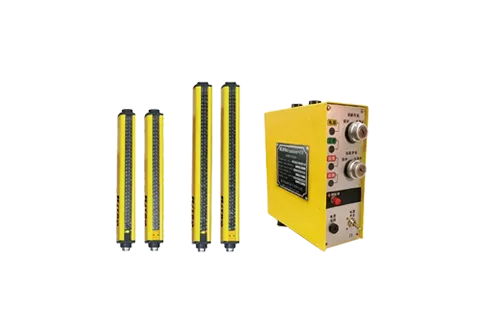
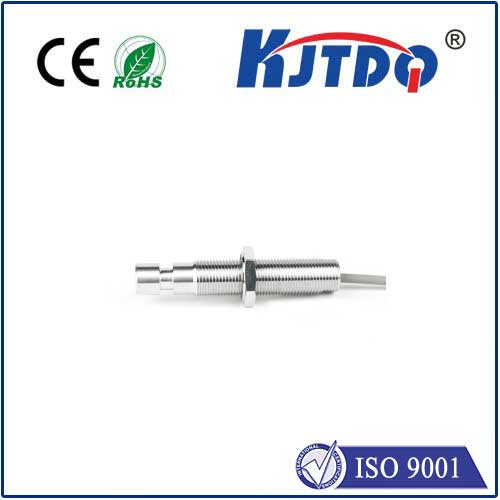
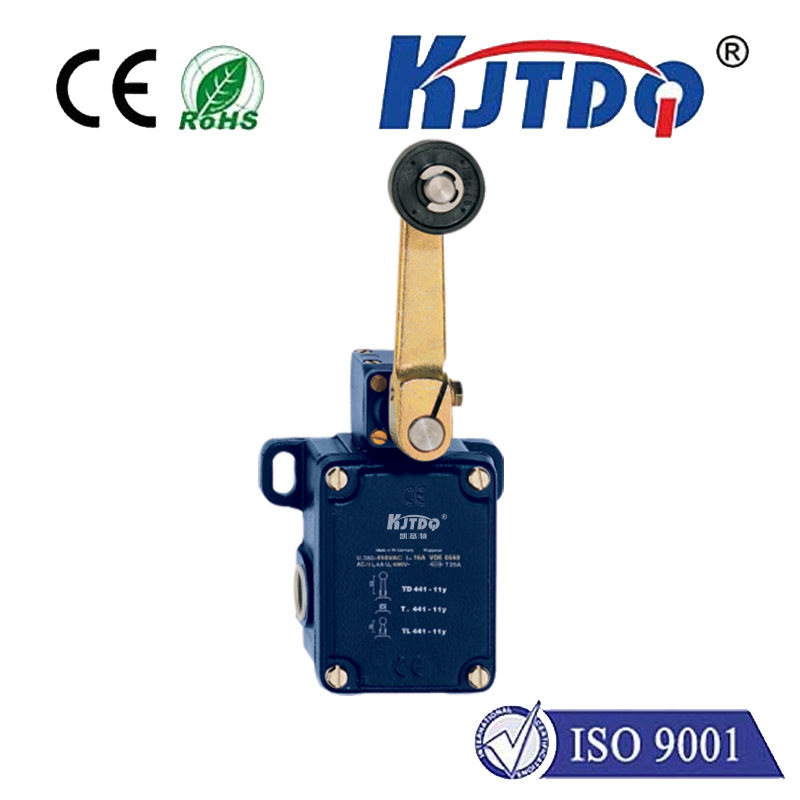
BIM-PST-Y1
- 時間:2025-10-23 19:02:59
- 點擊:0
BIM-PST-Y1: The Future of Building Information Modeling in Smart Cities
In the rapidly evolving landscape of urban development, the integration of Building Information Modeling (BIM) with the Internet of Things (IoT) has emerged as a transformative force. The BIM-PST-Y1 initiative represents a pivotal step in this evolution, combining the precision of BIM with the real-time data capabilities of the Internet of Things. This article explores the significance of the BIM-PST-Y1 framework, its implementation challenges, and its potential to reshape the future of smart cities.
At the core of BIM-PST-Y1 is the concept of Building Information Modeling (BIM), which provides a digital representation of physical and virtual assets. BIM allows architects, engineers, and construction professionals to create detailed 3D models that can be manipulated, analyzed, and updated throughout the project lifecycle. By integrating Building Performance Simulation (BPS), BIM-PST-Y1 enables the prediction and optimization of building performance, from energy consumption to structural integrity. This integration ensures that buildings are not only designed efficiently but also operate sustainably and safely.
The PST (Performance Simulation Technology) component of BIM-PST-Y1 plays a crucial role in enhancing the predictive capabilities of BIM. By leveraging advanced simulation tools, PST enables real-time monitoring and analysis of building performance. This is particularly valuable in smart cities, where data-driven decision-making is essential. With BIM-PST-Y1, urban planners can visualize and simulate the impact of various design choices, ensuring that buildings meet both current and future needs.
One of the key advantages of BIM-PST-Y1 is its ability to support smart city initiatives. As cities become more interconnected, the need for integrated systems that can manage infrastructure, energy, and transportation has never been greater. BIM-PST-Y1 provides a unified platform for managing all aspects of a building’s lifecycle, from planning to maintenance. This not only improves efficiency but also reduces costs and environmental impact.
However, the implementation of BIM-PST-Y1 is not without its challenges. Interoperability between different systems remains a major hurdle, as data formats and standards vary across industries. Additionally, the integration of IoT devices into BIM models requires robust data management and security protocols. These challenges must be addressed to ensure the successful adoption of BIM-PST-Y1 in real-world applications.
Despite these challenges, the potential benefits of BIM-PST-Y1 are substantial. By combining BIM with IoT, cities can achieve greater transparency, sustainability, and resilience. Smart buildings equipped with BIM-PST-Y1 can adapt to changing conditions, optimize resource usage, and contribute to the overall well-being of urban environments.
In conclusion, the BIM-PST-Y1 framework represents a significant advancement in the field of building information modeling and smart urban development. As cities continue to evolve, the integration of BIM with IoT will play a crucial role in shaping the future of urban living. By embracing this technology, we can create more efficient, sustainable, and intelligent cities for generations to come.