雷達液位口英文
- 時間:2024-12-18 05:41:51
- 點擊:0
Title: Understanding Radar Level Transmitters: A Comprehensive Guide to “Radar Liquid Level Port” in English
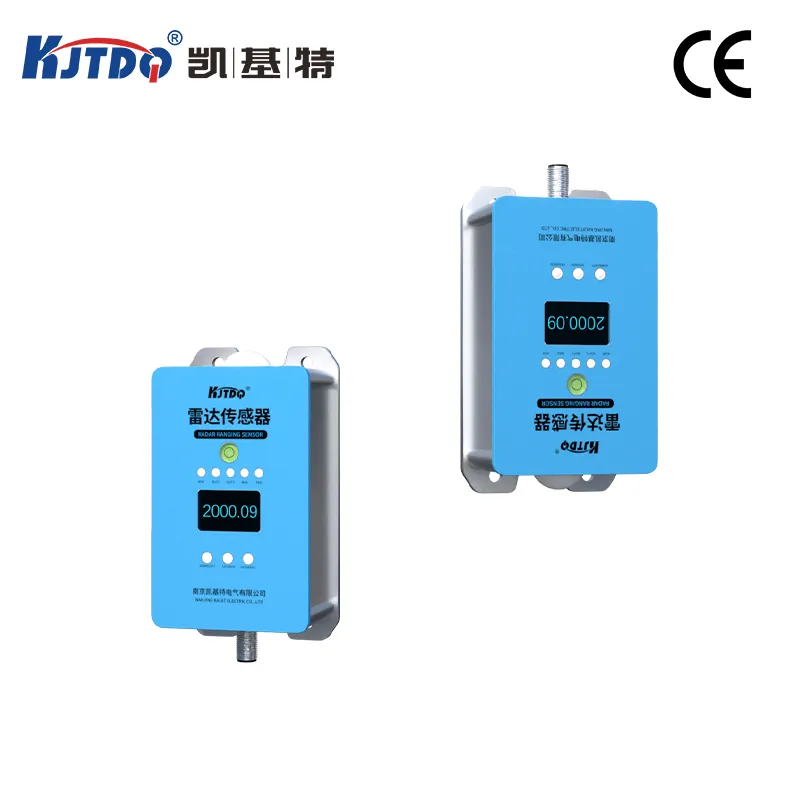
In today’s industrial landscape, precise measurement and monitoring of liquid levels are paramount for efficient operations. One of the most advanced tools in this field is the radar level transmitter. This article delves into the world of radar liquid level sensors, focusing on the concept of “radar liquid level port.”
What is a Radar Liquid Level Port?
A radar liquid level port refers to the specific point or area in a container where a radar level gauge is installed. This port allows for the unobstructed transmission and receiving of radar signals, which is crucial for accurate readings. The design and placement of the port can significantly impact the performance and reliability of the radar level measurement system.
The Mechanics Behind Radar Level Transmitters
At the core of a radar level transmitter is the principle of electromagnetic waves. These devices emit radar pulses that travel down towards the liquid surface and then bounce back when they hit the liquid. The time it takes for these pulses to return to the transmitter (the round-trip time) is directly related to the distance between the transmitter and the liquid surface. By accurately measuring this time, the radar system can determine the liquid level within the container.
Importance of Proper Installation
To ensure optimal performance, it is essential to install the radar liquid level port correctly. This involves choosing a location that avoids interference from internal structures, such as baffles or stirring mechanisms. Additionally, the port must be positioned in a way that minimizes signal loss and prevents any buildup of contaminants that could impede proper operation.
Advantages of Using Radar Level Gauges
One of the primary benefits of radar level gauges is their ability to provide continuous level measurements without the need for physical contact with the liquid. This non-invasive characteristic makes them suitable for a wide range of applications, including those involving corrosive, viscous, or fouling fluids. Furthermore, they offer high accuracy and reliability, making them a preferred choice in industries such as petrochemical, water treatment, and food processing.
Maintenance Considerations
While radar level transmitters are generally low maintenance, regular inspection of the radar liquid level port is recommended. Checking for any blockages, corrosion, or damage to the port can help prevent potential issues that may affect measurement accuracy. Cleaning the port periodically can also extend the lifespan of the device and ensure consistent performance.
Innovations and Future Trends
As technology advances, we can expect to see further innovations in radar level measurement systems. Enhanced signal processing algorithms, improved material technologies, and integration with other smart sensing platforms are just a few areas where development is likely. These advancements will continue to push the boundaries of what radar level transmitters can achieve, making them even more indispensable in various industrial processes.
In conclusion, understanding the role and importance of the radar liquid level port is critical for anyone involved in liquid level measurement. Proper installation, maintenance, and an appreciation of ongoing technological improvements ensure that radar level transmitters remain at the forefront of effective liquid management solutions.